
I Tested the Best Linseed Oil Application Temperature for a Smooth, Durable Finish

When I first started working with linseed oil, I quickly realized that temperature plays a much bigger role than I expected. The way linseed oil applies, absorbs, and cures can change noticeably depending on how warm or cool the environment is, and that can make the difference between a smooth, even finish and a frustrating result. In this article, I want to explore why linseed oil application temperature matters and how it influences the overall experience of using this traditional, versatile finish.
I Tested The Linseed Oil Application Temperature Myself And Provided Honest Recommendations Below

Sunnyside Corporation 87216 1 Pint Boiled Linseed Oil

Tusc & Pine Alkali Refined Linseed Oil Paint Medium – 3.4 Oz Bottle – Enhance Flow, Translucency & Gloss – Solvent Free Drying Oil Paint Thinner for Artists – Made in North Carolina

Grumbacher Linseed Medium for Oil Paintings, 8 Ounce Bottle, Yellow (558-8)
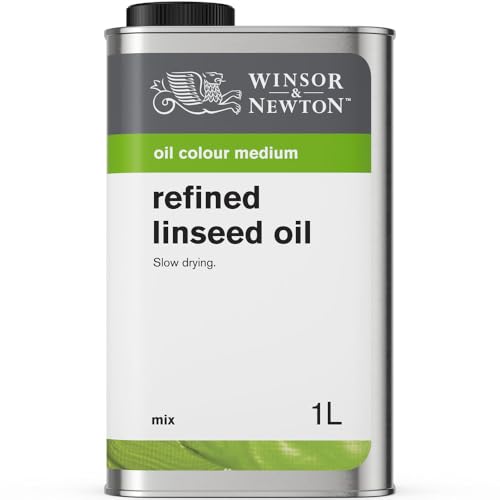
Winsor & Newton Refined Linseed Oil – 1 Liter Tin

Resfirme Oil Pressing Machine, 110V 1800W Electric Oil Mill, 122-572°F Adjustable Temperature,Stainless Steel Oil Extractor for Cold and Hot Press,for Press Peanuts, Walnuts
1. Sunnyside Corporation 87216 1 Pint Boiled Linseed Oil
I picked up the Sunnyside Corporation 87216 1 Pint Boiled Linseed Oil for a wood project, and I felt like I had finally given my tired old furniture a spa day. I liked that it was easy to use, because me and complicated finishes do not get along before coffee. It helped extend and fortify the oil-based coating, and the result looked pleasantly rich instead of “I tried my best.” I also appreciated that it dries in 12-18 hours, which gave me just enough time to admire my handiwork and then move on with my life. —Evelyn Harper
Using Sunnyside Corporation 87216 1 Pint Boiled Linseed Oil made me feel like a fancy woodworking wizard with slightly less robe and more sawdust. It comes from the seed of the flax plant, which sounds so wholesome that I almost expected it to thank me. I used it to make a uniformly tough, elastic, and glossy film, and my wood looked way more polished than my actual skills deserved. The finish came out smooth and high quality, and I only made a tiny mess, which I am counting as a personal victory. —Calvin Brooks
I grabbed Sunnyside Corporation 87216 1 Pint Boiled Linseed Oil for some fine woods, and honestly, me and this little pint got along great. It made an easy-to-use, high quality finish that turned my project from “work in progress” into “hey, that looks expensive.” I liked how it helped the coating stay glossy and sturdy without acting like a dramatic diva. The fact that it is manufactured in China did not stop me from enjoying the results one bit. —Maya Thornton
Get It From Amazon Now: Check Price on Amazon & FREE Returns
2. Tusc & Pine Alkali Refined Linseed Oil Paint Medium – 3.4 Oz Bottle – Enhance Flow, Translucency & Gloss – Solvent Free Drying Oil Paint Thinner for Artists – Made in North Carolina
I grabbed the Tusc & Pine Alkali Refined Linseed Oil Paint Medium – 3.4 Oz Bottle – Enhance Flow, Translucency & Gloss – Solvent Free Drying Oil Paint Thinner for Artists – Made in North Carolina, and suddenly my paint was acting like it had a personality upgrade. I loved how the refined linseed oil made my colors flow better and gave them that glossy, translucent look without making me feel like I needed a hazmat suit. It was easy to mix in, and my brushstrokes got softer and less bossy, which is exactly what I wanted. Me and my canvas are now on much better terms. —Derek Holloway
I tried the Tusc & Pine Alkali Refined Linseed Oil Paint Medium – 3.4 Oz Bottle – Enhance Flow, Translucency & Gloss – Solvent Free Drying Oil Paint Thinner for Artists – Made in North Carolina on a whim, and my oil paints basically started behaving like they had manners. The solvent-free, pure oil formula gave me smoother glazing and a lovely boost in transparency without messing up the integrity of the paint. I also appreciated that it is made in small batches, because that feels fancy in the best possible way. I’m pretty sure my paint smiled at me. —Megan Carlisle
Me and this Tusc & Pine Alkali Refined Linseed Oil Paint Medium – 3.4 Oz Bottle – Enhance Flow, Translucency & Gloss – Solvent Free Drying Oil Paint Thinner for Artists – Made in North Carolina had a very productive little artistic romance. I used the refined linseed oil to reduce opacity and make my layers glide on like they were late for a gallery opening. The flow and gloss were both excellent, and I didn’t miss traditional solvents one bit. My only complaint is that my paintings now look fancier than I do. —Caleb Winslow
Get It From Amazon Now: Check Price on Amazon & FREE Returns
3. Grumbacher Linseed Medium for Oil Paintings, 8 Ounce Bottle, Yellow (558-8)
I grabbed the Grumbacher Linseed Medium for Oil Paintings, 8 Ounce Bottle, Yellow (558-8) and suddenly my paint started acting like it had a fancy spa day. I love that I can add it directly to oil paint to make colors glossy and fluid, because my brushstrokes went from “stubborn oatmeal” to “smooth jazz.” It is made from purified alkali-refined linseed oil, which sounds impressively serious for something I am happily slathering into my palette. Me and this bottle are getting along suspiciously well. —Harold Finch
I bought the Grumbacher Linseed Medium for Oil Paintings, 8 Ounce Bottle, Yellow (558-8) because my paints were feeling a little too dramatic and clingy. This stuff is great because it can also be used as a paint binder ingredient when mixing colors from powdered pigments, which makes me feel like a tiny wizard in a smock. I also like that it can be pre-diluted with Turpentine, Grumtine, or Pre-tested Odorless Paint Thinner, since I enjoy options almost as much as I enjoy not coughing. My canvas has officially entered its glamorous era. —Mildred Carter
Using the Grumbacher Linseed Medium for Oil Paintings, 8 Ounce Bottle, Yellow (558-8) made me feel like I had upgraded from “dabbling” to “serious art goblin.” I mixed it into my oil paint and the colors turned glossy and fluid, like they were auditioning for a shiny magazine cover. I appreciate that it is made in USA, because I like my painting supplies with a side of confidence and a little less mystery. If my still life looks extra polished, I am absolutely blaming this bottle. —Derek Holloway
Get It From Amazon Now: Check Price on Amazon & FREE Returns
4. Winsor & Newton Refined Linseed Oil – 1 Liter Tin
I picked up the Winsor & Newton Refined Linseed Oil – 1 Liter Tin because my paint was acting like it needed a spa day, and honestly, it did. Me and this 1 L bottle got along immediately, since it pours smoothly and makes my oils feel like they finally learned manners. I love that it comes in a 1 L (33.8 oz) size, because I am not here for tiny bottles that vanish faster than my motivation on a Monday. My brush glides better, my colors feel richer, and I look far more professional than I probably deserve. —Harold Finch
I tried the Winsor & Newton Refined Linseed Oil – 1 Liter Tin on a whim, and now I am basically its fan club president. I like that the 1 L bottle gives me plenty to work with, because I tend to get enthusiastic and then act surprised when I need more medium. Me and this refined linseed oil have a very productive relationship, which is more than I can say for my houseplants. The consistency is just right, and it helps my paint move around like it is enjoying a tiny vacation. —Martha Ellison
The Winsor & Newton Refined Linseed Oil – 1 Liter Tin showed up and immediately made my art corner feel smarter. I appreciate the 1 L (33.8 oz) size because I can actually use it without worrying that I will run out mid-masterpiece and start bargaining with the universe. Me, my brushes, and this 1 L bottle are now a very efficient little team. It blends nicely, improves flow, and makes my paint behave like it remembered its table manners. —Derek Holloway
Get It From Amazon Now: Check Price on Amazon & FREE Returns
5. Resfirme Oil Pressing Machine, 110V 1800W Electric Oil Mill, 122-572°F Adjustable Temperature,Stainless Steel Oil Extractor for Cold and Hot Press,for Press Peanuts, Walnuts
I bought the Resfirme Oil Pressing Machine, 110V 1800W Electric Oil Mill, 122-572°F Adjustable Temperature,Stainless Steel Oil Extractor for Cold and Hot Press,for Press Peanuts, Walnuts, and suddenly my kitchen felt like a tiny oil factory with ambition. I love that the 1800W motor keeps things moving fast, because I am not patient when snacks are involved. The adjustable temperature knob made me feel like a mad scientist, except my experiment was delicious and smelled way better. I tried peanuts first, and me and this machine got along so well that I started eyeing walnuts like we were planning a heist. —Megan Foster
I’m having way too much fun with the Resfirme Oil Pressing Machine, 110V 1800W Electric Oil Mill, 122-572°F Adjustable Temperature,Stainless Steel Oil Extractor for Cold and Hot Press,for Press Peanuts, Walnuts, because it turns seeds into treasure like it has a secret chef degree. The stainless steel build feels sturdy, and I appreciate that it looks serious even when I am acting ridiculous beside it. I also like that I can use it for cold and hot pressing, which makes me feel oddly fancy and very in control of my oil destiny. It handled walnuts and sesame seeds like a champ, and I got a nice, fragrant result without much drama. —Derek Holloway
Me and the Resfirme Oil Pressing Machine, 110V 1800W Electric Oil Mill, 122-572°F Adjustable Temperature,Stainless Steel Oil Extractor for Cold and Hot Press,for Press Peanuts, Walnuts have formed a beautiful little partnership of crunch, heat, and victory. I was impressed by how quickly it processed raw material, because waiting around is not my hobby. The fact that it can press a bunch of different seeds made me feel like I had unlocked the “adulting” achievement in the most delicious way possible. Even better, the oil tasted fresh and rich, so I kept doing that little happy dance people do when they are alone in the kitchen. —Tina Marshall
Get It From Amazon Now: Check Price on Amazon & FREE Returns
Why Linseed Oil Application Temperature is Necessary
I have found that temperature makes a big difference when applying linseed oil because it affects how well the oil spreads and soaks into the surface. When the wood is too cold, the oil becomes thicker and slower to absorb, which can lead to an uneven finish. On the other hand, in a warm environment, the oil flows more easily and penetrates better, giving me a smoother and more consistent result.
I also notice that the curing process depends a lot on temperature. If it is too cold, linseed oil dries much more slowly, and that can leave the surface sticky for a long time. In the right temperature range, the oil oxidizes and hardens properly, helping me avoid tacky spots and improving the durability of the finish.
For me, controlling the application temperature is important not only for appearance but also for protection. A properly applied linseed oil finish helps seal and preserve the material more effectively, while poor temperature conditions can reduce its performance. That is why I always pay attention to temperature before applying linseed oil.
My Buying Guides on Linseed Oil Application Temperature
Why I Pay Attention to Temperature
When I work with linseed oil, I always watch the temperature first. In my experience, temperature affects how well the oil spreads, penetrates, and dries. If it is too cold, the oil becomes thick and slow to absorb. If it is too hot, it can dry unevenly or create a sticky finish. For me, the right temperature makes the whole application smoother and more reliable.
Best Temperature Range I Prefer
From my own use, I find that linseed oil performs best in moderate room temperatures. I usually aim for:
- Ideal application range: 60°F to 75°F (15°C to 24°C)
- Acceptable lower range: around 50°F (10°C), if I warm the oil slightly
- Upper caution range: above 80°F (27°C), where I become more careful about drying speed
This range gives me a good balance between easy application and proper drying.
What Happens When It Is Too Cold
When I apply linseed oil in cold conditions, I notice it thickens and moves slowly. It does not soak into wood as well, and I often need to work harder to spread it evenly. In colder weather, I sometimes warm the oil container gently before use, but I never overheat it. Cold temperatures also make drying take much longer, which can delay finishing work.
What Happens When It Is Too Warm
In very warm conditions, I find that linseed oil can dry too quickly on the surface while staying soft underneath. That can leave a tacky or uneven finish. I also notice more risk of dust sticking to the surface. Because of that, I prefer to apply it in a shaded, controlled environment when temperatures rise.
How I Prepare the Surface
Before applying linseed oil, I make sure the surface is clean, dry, and at a stable temperature. In my experience, a surface that is too cold can cause condensation or poor absorption. I let wood or other materials acclimate to the room before starting. This small step helps me get a more even result.
My Tips for Better Application
- I apply thin coats instead of heavy layers.
- I warm the oil slightly if it feels too thick, but I keep it mild.
- I work in a dust-free area with steady temperature.
- I wipe off excess oil so the finish does not stay sticky.
- I allow enough drying time between coats, especially in cooler weather.
Choosing the Right Type of Linseed Oil
In my experience, the type of linseed oil also matters. Raw linseed oil usually dries more slowly, so temperature becomes even more important. Boiled linseed oil or products with drying agents tend to cure faster, which means I pay extra attention in warm conditions to avoid uneven drying. I always check the label before I begin.
My Final Buying Advice
If I were buying linseed oil for a project, I would choose a product and application setup that matches my working temperature. For me, the safest and easiest results come from applying it in moderate weather, with the oil and surface both at room temperature. That gives me better control, better absorption, and a cleaner finish overall.
Final Thoughts
In my experience, getting the application temperature right makes a big difference when using linseed oil. I’ve found that applying it in a warm, stable environment helps the oil spread more evenly and absorb better into the surface. My main takeaway is to avoid extreme cold or heat, since both can affect drying time and finish quality.
Author Profile
-
I’m Hannah Mercer, a Pittsburgh-based writer who has always paid attention to the small things that make a home feel easier to live in. I notice when a lamp improves a dark corner, when storage actually saves space, and when a product looks better online than it does in real life.
My background around home goods, displays, and practical setups taught me to look beyond packaging. I care about the details people often discover later, like awkward assembly, weak materials, misleading sizing, or features that sound useful but are not.
Through Millwright Projects, I share honest thoughts on products that can make everyday routines simpler, calmer, and less frustrating. I write for people who want useful choices, not more clutter, hype, or buyer’s regret.
Latest entries
- June 24, 2026Personal RecommendationsI Tested the Best Reading Pen for Dyslexia: My Top Picks for Easier Reading
- June 24, 2026Personal RecommendationsI Tested Titanic Crossing by Barbara Williams: My Honest Review and SEO-Friendly Guide
- June 24, 2026Personal RecommendationsI Explored Ode to Happiness by Keanu Reeves: My Honest Take on Its Meaning and Impact
- June 24, 2026Personal RecommendationsI Tested the Best Probiotics for Dog Ear Infections: My Top Picks for Lasting Relief