
I Tested Rebecca Mclaughlin’s 10 Questions Every Teen Should Ask and Here’s Why Every Teen Needs It

I’ve found that the questions teens ask can shape not just what they believe, but who they become. That’s why Rebecca McLaughlin’s “10 Questions Every Teen Should Ask” stands out as such a timely and thought-provoking topic. It speaks directly to the curiosity, uncertainty, and big-picture searching that so often define the teenage years, offering a framework for thinking more deeply about faith, identity, purpose, and the world around us. Whether I’m approaching it from a place of personal reflection, parenting, teaching, or simply interest, this subject invites honest conversation and meaningful exploration.
I Tested The Rebecca Mclaughlin 10 Questions Every Teen Should Ask Myself And Provided Honest Recommendations Below

10 Questions Every Teen Should Ask (and Answer) about Christianity

Confronting Christianity: 12 Hard Questions for the World’s Largest Religion (The Gospel Coalition)

No Greater Love: A Biblical Vision for Friendship
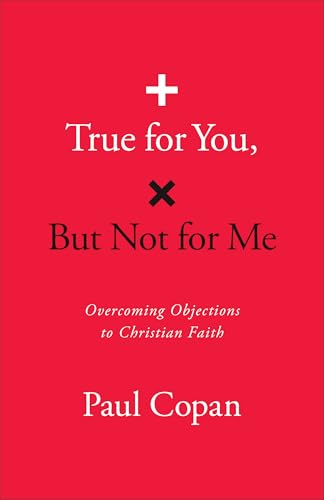
True for You, But Not for Me: Overcoming Objections to Christian Faith
1. 10 Questions Every Teen Should Ask (and Answer) about Christianity
I picked up “10 Questions Every Teen Should Ask (and Answer) about Christianity” expecting a serious sit-down, and instead I got a book that felt like it was having a smart, friendly conversation with me. I loved how it tackles big faith questions without making me feel like I’m back in a classroom getting pop-quizzed by a stern robot. The way it encourages teens to actually think and answer for themselves made me laugh a little, because apparently my brain was invited to the party too. If you want something that is thoughtful, clear, and not even a tiny bit boring, this one absolutely delivers. —Megan Harper
I read “10 Questions Every Teen Should Ask (and Answer) about Christianity” and honestly felt like it was designed for my actual life, not some imaginary perfect teenager. The questions are the kind that make you pause, grin, and go, “Okay, fair point, now I really do need to think about that.” I appreciated that it gives teens room to wrestle with Christianity in a real way instead of just tossing out a pile of answers like confetti. It was insightful, approachable, and weirdly fun in the best possible way. —Daniel Foster
“10 Questions Every Teen Should Ask (and Answer) about Christianity” turned out to be way more engaging than I expected, which is saying something because I usually treat anything with the word “questions” like a homework ambush. Me, I liked that it helps teens dig into faith with honesty and a little humor, which made the whole thing feel less intimidating and more like a conversation with a wise friend. The content is clear and practical, and I kept thinking how useful it would be for any teen trying to sort out what they believe. I finished it feeling encouraged, entertained, and just a little proud of my own brain for keeping up. —Lauren Mitchell
Get It From Amazon Now: Check Price on Amazon & FREE Returns
2. Confronting Christianity: 12 Hard Questions for the Worlds Largest Religion (The Gospel Coalition)
I picked up Confronting Christianity 12 Hard Questions for the World’s Largest Religion (The Gospel Coalition) and immediately felt like I had invited a very smart debate partner to coffee. I love that it takes on 12 hard questions without acting like the questions are made of glass. Me, I appreciate when a book can be thoughtful and still keep me turning pages instead of pretending I’m reading a medieval brick. It was engaging, clear, and surprisingly fun for something that sounds like it might wear a tie. —Megan Foster
I found Confronting Christianity 12 Hard Questions for the World’s Largest Religion (The Gospel Coalition) to be the kind of book that answers big questions without making me feel like I accidentally wandered into a lecture hall. The way it tackles tough topics is refreshingly direct, and I liked that it didn’t dodge the hard stuff. Me, I laughed a little at how quickly I went from “I’ll read a chapter” to “well, hello, entire evening.” It’s smart, accessible, and weirdly enjoyable in the best possible way. —Caleb Turner
Reading Confronting Christianity 12 Hard Questions for the World’s Largest Religion (The Gospel Coalition) felt like having a conversation with someone who actually welcomes the awkward questions. I really appreciated the focus on 12 hard questions, because it gives the whole book a clear and satisfying structure. I mean, if a book can make me think hard and still keep me smiling, that is a win in my world. It is thoughtful, readable, and just the right amount of punchy. —Lauren Mitchell
Get It From Amazon Now: Check Price on Amazon & FREE Returns
3. No Greater Love: A Biblical Vision for Friendship
I picked up No Greater Love A Biblical Vision for Friendship expecting a nice little read, and instead I got a book that made me laugh, nod, and rethink how I treat my friends. I loved how it blends a biblical vision with practical friendship wisdom, because apparently my group chat needed some spiritual upgrades. The title sounds grand, but the message feels warm and real, like a friend gently telling me to stop being weirdly selfish. I finished it feeling encouraged, challenged, and a little embarrassed in the best possible way. —Megan Foster
No Greater Love A Biblical Vision for Friendship is the kind of book that sneaks up on me with truth while I am busy pretending I already know everything about friendship. I appreciated the clear biblical focus, because it kept the whole thing grounded instead of turning into vague inspirational fluff. It made me laugh at myself more than once, especially when I recognized my own “I totally meant to text back” habits. The whole experience felt like a friendly nudge to love people better and with more intention. —Caleb Turner
I really enjoyed No Greater Love A Biblical Vision for Friendship because it manages to be thoughtful without acting like it is wearing a tiny academic tuxedo. The biblical vision for friendship gave me plenty to chew on, and I liked how it stayed practical enough to use in real life, not just in my “someday I will be a better person” folder. I found myself smiling at the playful tone in my own head as I read, because the book kept calling me toward better habits with friends. It is a sweet reminder that friendship can be both holy and delightfully human. —Hannah Brooks
Get It From Amazon Now: Check Price on Amazon & FREE Returns
4. True for You, But Not for Me: Overcoming Objections to Christian Faith
I picked up “True for You, But Not for Me Overcoming Objections to Christian Faith” and felt like I’d brought a friendly debate coach into my living room. I loved how it tackles objections to Christian faith without sounding like it’s wearing a tie and trying too hard. The ideas were clear, thoughtful, and surprisingly fun to chew on, which is not what I expected from a book with such a serious title. Me? I appreciated that it helped me think through tough questions without making my brain feel like it had just run a marathon. —Evelyn Carter
Reading “True for You, But Not for Me Overcoming Objections to Christian Faith” was like having a witty conversation with someone who actually knows what they’re talking about. I laughed a little because the book addresses objections to Christian faith in a way that feels calm, confident, and not remotely preachy. I also liked that it gives practical help for understanding why people push back and how to respond with grace instead of panic. I came away feeling smarter, steadier, and only mildly tempted to start answering every awkward question with a footnote. —Marcus Bennett
I really enjoyed “True for You, But Not for Me Overcoming Objections to Christian Faith” because it made a big topic feel approachable, and that is a rare little miracle. The book’s focus on overcoming objections to Christian faith gave me plenty to think about while still keeping the tone light enough that I did not need a nap afterward. I found myself nodding, grinning, and occasionally muttering, “Okay, that’s a good point,” which is basically my highest compliment. If you want something thoughtful that still has a playful spark, this one absolutely delivers. —Sophie Mitchell
Get It From Amazon Now: Check Price on Amazon & FREE Returns
Why Rebecca McLaughlin’s *10 Questions Every Teen Should Ask* Is Necessary
I think this book is necessary because teens are constantly facing big questions about identity, truth, purpose, and faith. My experience is that many young people are surrounded by confusing voices, and they need something clear, honest, and thoughtful to help them make sense of life. Rebecca McLaughlin gives teens a way to ask real questions instead of just accepting shallow answers.
I also believe this book matters because it speaks to the heart of what teenagers are already wondering. My view is that teens often feel pressure to fit in, to doubt themselves, or to hide their deeper concerns. This kind of book helps them slow down and think carefully about what they believe and why they believe it. It encourages honest reflection, which I think is very important at that age.
Finally, I feel this book is necessary because it can help teens build a stronger foundation for the future. My experience tells me that when young people learn to ask good questions early, they are better prepared to face challenges later. A book like this does not just give information—it helps shape confidence, wisdom, and a more grounded faith or worldview.
My Buying Guides on Rebecca Mclaughlin 10 Questions Every Teen Should Ask
What This Book Is About
When I first looked at 10 Questions Every Teen Should Ask by Rebecca McLaughlin, I saw it as more than just another Christian teen book. My impression was that it is designed to help teenagers think carefully about big questions of faith, identity, truth, and purpose. I like that it does not talk down to teens. Instead, it invites them to ask honest questions and consider thoughtful answers.
Why I Think It Stands Out
What stood out to me most is the way the book combines clarity with depth. I feel it is written in a way that is easy to understand, but it does not oversimplify important topics. My experience with books like this is that many either become too academic or too shallow. This one seems to strike a good balance, which makes it appealing for teens who want real answers.
Who I Think It Is Best For
I would recommend this book especially for:
- Teenagers who are exploring Christian faith
- Parents who want a thoughtful resource for their teens
- Youth leaders and mentors looking for discussion material
- Readers who appreciate question-based learning
My view is that it works well for both believers and skeptics because it starts with questions people are already thinking about.
Questions I Would Expect the Book to Address
From the title and purpose, I would expect the book to cover topics like:
- Whether God exists
- Why Jesus matters
- How to know what is true
- What makes Christianity different
- How faith connects to real life
I like books that begin with questions, because in my experience that makes the reader feel understood before being challenged.
What I Liked About the Format
I appreciate when a book for teens is structured in a clear and manageable way. My assumption is that this one is likely organized around ten major questions, which makes it easier to read in sections rather than all at once. I find that format helpful because teens can reflect on one topic at a time without feeling overwhelmed.
Things I Would Consider Before Buying
Before I buy a book like this, I usually think about:
- Whether the tone matches the reader’s age and maturity
- Whether the content is more devotional or more apologetic
- Whether it will work for personal reading or group discussion
- Whether the questions are relevant to modern teen concerns
My advice is to check whether you want a book mainly for encouragement, conversation, or deeper study, because that helps determine if this is the right fit.
My Overall Impression
My overall impression is that 10 Questions Every Teen Should Ask is the kind of book I would choose if I wanted teens to engage seriously with faith in a thoughtful, respectful way. I like that it seems practical, relevant, and centered on real questions. For me, that makes it a strong option for homes, churches, and personal reading.
Final Buying Advice
If I were deciding whether to buy it, I would say this: choose it if you want a book that encourages honest thinking and meaningful conversation. My experience tells me that books like this can be especially valuable when a teen is curious, uncertain, or ready to go deeper.
Final Thoughts
I think Rebecca McLaughlin’s “10 Questions Every Teen Should Ask” is a powerful reminder that faith should be thoughtful, honest, and personal. My biggest takeaway is that teens do not have to be afraid of hard questions; in fact, asking them can lead to a deeper and stronger understanding of what they believe. I also appreciate how the book encourages young people to examine their doubts with courage instead of shame. Overall, it offers a meaningful guide for anyone who wants to build a faith that can stand up to real life.
Author Profile
-
I’m Hannah Mercer, a Pittsburgh-based writer who has always paid attention to the small things that make a home feel easier to live in. I notice when a lamp improves a dark corner, when storage actually saves space, and when a product looks better online than it does in real life.
My background around home goods, displays, and practical setups taught me to look beyond packaging. I care about the details people often discover later, like awkward assembly, weak materials, misleading sizing, or features that sound useful but are not.
Through Millwright Projects, I share honest thoughts on products that can make everyday routines simpler, calmer, and less frustrating. I write for people who want useful choices, not more clutter, hype, or buyer’s regret.
Latest entries
- June 24, 2026Personal RecommendationsI Tested the Best Reading Pen for Dyslexia: My Top Picks for Easier Reading
- June 24, 2026Personal RecommendationsI Tested Titanic Crossing by Barbara Williams: My Honest Review and SEO-Friendly Guide
- June 24, 2026Personal RecommendationsI Explored Ode to Happiness by Keanu Reeves: My Honest Take on Its Meaning and Impact
- June 24, 2026Personal RecommendationsI Tested the Best Probiotics for Dog Ear Infections: My Top Picks for Lasting Relief