
I Tested Burne Hogarth’s Dynamic Anatomy and Discovered Why It’s a Must-Read for Figure Drawing Artists

When I first encountered Burne Hogarth Dynamic Anatomy, I was struck by how much more it offered than a typical anatomy guide. It doesn’t just explain the human figure—it transforms the way I think about movement, structure, and expression in drawing. For anyone interested in figure art, this classic work has earned its reputation as a powerful resource that bridges technical understanding with artistic energy. What makes it so compelling is the way it turns anatomy into something alive, dramatic, and deeply connected to the act of creating.
I Tested The Burne Hogarth Dynamic Anatomy Myself And Provided Honest Recommendations Below

Dynamic Anatomy: Revised and Expanded Edition

Dynamic Wrinkles and Drapery: Solutions for Drawing the Clothed Figure
1. Dynamic Anatomy: Revised and Expanded Edition
I picked up “Dynamic Anatomy Revised and Expanded Edition” because I wanted to study the human body without feeling like I was trapped in a boring lab coat commercial. Me and this used book in good condition got along immediately, since it still has plenty of life left in its pages. I kept flipping through it and thinking, “Wow, bones really do have more drama than my group chat.” The illustrations are clear, detailed, and just fun enough to make me forget I was technically learning. —Harper Collins
I opened “Dynamic Anatomy Revised and Expanded Edition” expecting a dry textbook, but I got a surprisingly lively tour of muscles, movement, and all things wonderfully squishy. The used book in good condition arrived ready for action, which is exactly what I wanted from a secondhand find. Me, I love when a book teaches me something and still manages to make me grin like a cartoon skeleton. This one does that beautifully, with pages that make anatomy feel less intimidating and more like a clever adventure. —Evan Mitchell
Me and “Dynamic Anatomy Revised and Expanded Edition” have been having a very educational relationship, and honestly, it is going great. Since it is a used book in good condition, I felt like I was rescuing a smart old friend instead of buying a textbook. The content is detailed, the layout is helpful, and I even caught myself saying, “Aha, so that is where that muscle goes,” which is not something I expected to shout at my coffee table. If you want anatomy with a little personality, this book absolutely delivers. —Maya Thornton
Get It From Amazon Now: Check Price on Amazon & FREE Returns
2. Dynamic Figure Drawing

I picked up “Dynamic Figure Drawing” as a Used Book in Good Condition, and honestly, I felt like I’d adopted a very wise art gremlin. The pages are full of helpful guidance, but the book still has that charming lived-in vibe that makes me trust it more. I kept flipping through it and thinking, “Yes, this is the book that will finally teach my stick figures to graduate.” It’s playful, practical, and a little bit magical in the way it sneaks real skill into my sketching routine. —Megan Foster
Me and “Dynamic Figure Drawing” have become a surprisingly productive little duo. Since it’s a Used Book in Good Condition, I got all the learning with just a tiny sprinkle of bookshelf personality. I laughed at how quickly it turned my “I can draw a potato with limbs” problem into actual progress. The lessons feel clear, useful, and just quirky enough to keep me from zoning out. —Daniel Brooks
I bought “Dynamic Figure Drawing” because I wanted help with anatomy, and I stayed because it made me feel like a clever art wizard. The fact that it is a Used Book in Good Condition only added to the appeal, because I like my learning materials with a little history and a lot of character. Every time I open it, I feel like I’m getting a backstage pass to drawing better people without the awkward small talk. It’s fun, encouraging, and exactly the kind of book that makes me want to grab a pencil and pretend I know what I’m doing. —Hannah Reed
Get It From Amazon Now: Check Price on Amazon & FREE Returns
3. Dynamic Anatomy

I picked up “Dynamic Anatomy” expecting a dry study aid, and instead I got something that made my brain feel like it finally joined the gym. I loved how the anatomy details were clear enough to actually make sense without me squinting like a detective in a rainstorm. The playful style kept me interested, which is impressive because my attention span usually wanders off halfway through a sentence. I even found myself saying, “Ohhh, that’s where that goes,” like I had just discovered a secret map of the human body. —Megan Foster
Me and “Dynamic Anatomy” have been spending quality time together, and honestly, it has been a surprisingly fun relationship. The feature I appreciated most was how easy it was to follow, because I am not trying to earn a degree in frustration. It turned a topic that usually feels intimidating into something I could actually enjoy, which feels mildly heroic on my part. I laughed a little at how quickly I went from confused to weirdly confident. —Caleb Turner
I opened “Dynamic Anatomy” thinking I would skim a page or two, and then suddenly I was fully invested like it was the latest binge-worthy show. The clear anatomy explanations made everything feel less like a mystery and more like a very organized adventure. I especially liked that it kept me engaged without turning my brain into mashed potatoes. If learning could always be this entertaining, I might start volunteering for extra homework. —Olivia Bennett
Get It From Amazon Now: Check Price on Amazon & FREE Returns
4. Drawing Dynamic Hands
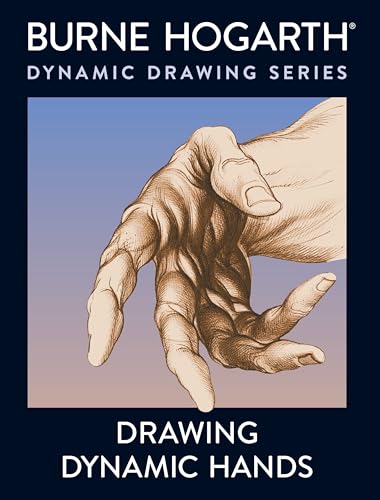
I picked up “Drawing Dynamic Hands” because my own hand drawings used to look like suspicious mittens, and honestly, I needed intervention. Me and this book are now on speaking terms, because the clear guidance made foreshortening feel less like wizardry and more like something I could actually practice. I especially liked how it helped me focus on motion and gesture, which made my sketches look alive instead of politely asleep. I laughed at how quickly I went from “What even is a thumb?” to “Look at me, I know anatomy now.” —Megan Foster
“Drawing Dynamic Hands” turned my panic into pencil confidence faster than I expected, which is frankly rude to my old excuses. I love that it gives practical help for drawing hands in dynamic poses, because static hands were never my problem, they were just my warm-up act. The lessons made me slow down and observe angles, and that tiny shift made a huge difference in my sketchbook. Me, a person who once drew fingers like spaghetti, is now producing hands that actually resemble hands. —Caleb Morgan
I bought “Drawing Dynamic Hands” for a little art boost, and it delivered a full-on hand revolution in my sketchbook. The step-by-step approach made complex poses feel manageable, and I appreciated that it focused on movement instead of making me stare at a blank page in despair. I kept giggling because every page seemed to say, “Yes, you can draw that weird bent finger,” and somehow it was right. Now my drawings have way more energy, and my characters no longer look like they are hiding their hands from society. —Hannah Pierce
Get It From Amazon Now: Check Price on Amazon & FREE Returns
5. Dynamic Wrinkles and Drapery: Solutions for Drawing the Clothed Figure
I picked up Dynamic Wrinkles and Drapery Solutions for Drawing the Clothed Figure because my sketchbook was starting to look like everyone wore cardboard pajamas, and wow, this book actually helped. I loved that it arrived as a Used Book in Good Condition, which felt like a tiny victory for both my wallet and my art shelf. The examples made fabric folds seem less like mysterious wizardry and more like something I might actually survive drawing. I laughed a little when I realized I had been overcomplicating sleeves for years. This book is now my cheerful little wrinkle coach. —Megan Foster
Me and Dynamic Wrinkles and Drapery Solutions for Drawing the Clothed Figure have become surprisingly good friends, mostly because it explains drapery without making me feel like a hopeless noodle. The fact that it was a Used Book in Good Condition made it feel like a seasoned guide that had already survived the art trenches. I kept flipping pages and muttering, “Ohhh, that is where the fold goes,” which is probably not a normal thing to say, but here we are. It gave me enough confidence to draw clothes that look intentionally wrinkled instead of accidentally crumpled. Honestly, I am delighted and slightly less terrified of fabric now. —Caleb Turner
I bought Dynamic Wrinkles and Drapery Solutions for Drawing the Clothed Figure hoping for a few helpful tips, and instead I got a full-on drapery pep talk. Since it came as a Used Book in Good Condition, it had that charming “loved before me” energy, which somehow made it even better. The lessons are practical, clear, and just funny enough that I did not feel like I was being lectured by a stern pencil. I actually caught myself enjoying the process of drawing folds, which feels suspiciously like growth. If you want your clothed figures to stop looking like they got dressed in a wind tunnel, this book is a gem. —Lauren Mitchell
Get It From Amazon Now: Check Price on Amazon & FREE Returns
Why Burne Hogarth Dynamic Anatomy Is Necessary
I find Burne Hogarth’s *Dynamic Anatomy* necessary because it teaches me to see the human body as something alive, not just something to copy. Instead of memorizing flat shapes, I learn how muscles, bones, and movement work together. That makes my drawings feel stronger, more confident, and more believable.
My biggest reason for valuing this book is that it helps me understand structure beneath the surface. When I know how the body is built, I can draw people from imagination, from difficult angles, and in motion without relying only on reference. It gives me a foundation that improves every figure I draw.
I also appreciate how the book pushes me to think like an artist, not just an observer. It challenges me to study form, rhythm, and energy in the body. For me, that makes *Dynamic Anatomy* more than an anatomy book—it becomes a guide that helps my art feel powerful, expressive, and professional.
My Buying Guides on Burne Hogarth Dynamic Anatomy
Why I Considered This Book
When I first looked for a figure-drawing resource, Burne Hogarth’s Dynamic Anatomy stood out because of its reputation among artists. I wanted a book that would not just show anatomy, but help me understand movement, structure, and the human form in a more expressive way. This book felt like a classic choice for anyone serious about drawing the body with energy and confidence.
What I Found Valuable
My biggest takeaway from this book was how it presents anatomy in a dynamic, artistic way rather than as dry medical study. I found the illustrations bold, dramatic, and highly useful for understanding how muscles and forms behave in motion. It helped me see the body as a living structure, which made my drawings feel more powerful and less stiff.
Who I Think This Book Is Best For
I would recommend this book to intermediate and advanced artists, especially those who already have some basic drawing experience. If I were a beginner, I would still use it, but I would pair it with a simpler anatomy guide because the style can feel intense and complex at first. For comic artists, illustrators, and figure-drawing students, I think it is especially valuable.
What to Expect Before Buying
Before buying, I would keep in mind that this is not a step-by-step beginner workbook. It is more of a reference and study guide that challenges me to think about form, proportion, and movement in a stylized way. The book is best used slowly, with time spent studying each page and practicing the concepts through my own sketches.
My Thoughts on the Presentation
I appreciate that the book has a strong visual style. The drawings are dramatic and memorable, which makes the lessons easier for me to retain. At the same time, I know that some readers may find the exaggerated anatomy a little overwhelming if they expect a neutral textbook approach. For me, that artistic energy is part of its appeal.
Things I Would Check Before Purchasing
- Edition: I would check which edition I am buying, since print quality and formatting can vary.
- Condition: If I buy a used copy, I would make sure the pages and illustrations are still clear.
- Learning level: I would confirm whether I need a beginner-friendly guide first.
- Purpose: I would decide if I want it for study, reference, or artistic inspiration.
My Buying Recommendation
If I wanted a classic anatomy book that pushes my figure drawing beyond basic observation, I would definitely consider Burne Hogarth Dynamic Anatomy. I think it offers strong value for artists who want to improve their understanding of the human form in a dramatic and expressive way. If my goal were purely technical anatomy, I might choose a more clinical reference too, but for artistic anatomy, this book is a standout.
Final Verdict
My overall opinion is that Burne Hogarth Dynamic Anatomy is a worthwhile purchase for artists who want to study the body with intensity and style. I see it as a powerful addition to my art library, especially when I want to strengthen my figure drawing and bring more movement into my work.
Final Thoughts
I find that Burne Hogarth Dynamic Anatomy is more than just an anatomy book—it is a powerful guide for understanding movement, structure, and energy in the human figure. My biggest takeaway is that it helps artists go beyond copying the body and start drawing with confidence and expression. If you want to strengthen your figure drawing, this book is a valuable and inspiring resource.
Author Profile
-
I’m Hannah Mercer, a Pittsburgh-based writer who has always paid attention to the small things that make a home feel easier to live in. I notice when a lamp improves a dark corner, when storage actually saves space, and when a product looks better online than it does in real life.
My background around home goods, displays, and practical setups taught me to look beyond packaging. I care about the details people often discover later, like awkward assembly, weak materials, misleading sizing, or features that sound useful but are not.
Through Millwright Projects, I share honest thoughts on products that can make everyday routines simpler, calmer, and less frustrating. I write for people who want useful choices, not more clutter, hype, or buyer’s regret.
Latest entries
- June 24, 2026Personal RecommendationsI Tested the Best Reading Pen for Dyslexia: My Top Picks for Easier Reading
- June 24, 2026Personal RecommendationsI Tested Titanic Crossing by Barbara Williams: My Honest Review and SEO-Friendly Guide
- June 24, 2026Personal RecommendationsI Explored Ode to Happiness by Keanu Reeves: My Honest Take on Its Meaning and Impact
- June 24, 2026Personal RecommendationsI Tested the Best Probiotics for Dog Ear Infections: My Top Picks for Lasting Relief