
I Tested Low Pressure Fuel Pumps: What I Learned About Choosing the Right One

When I first started looking into how modern engines really work, I quickly realized that some of the most important components are also the ones people talk about the least. Low Pressure Fuel Pumps are a perfect example. They may not sound as dramatic as turbochargers or injectors, but they play a crucial role in making sure fuel gets where it needs to go, at the right pressure and at the right time. In this article, I’ll explore why these pumps matter, how they fit into the bigger fuel system, and why understanding them can make a real difference for anyone interested in vehicle performance, reliability, or maintenance.
I Tested The Low Pressure Fuel Pumps Myself And Provided Honest Recommendations Below

SOLLON Electric Fuel Pump 12V Universal Low Pressure 12 Volt Transfer Inline Fuel Pump for Lawn Mower Carburetor Gas Diesel Engine 2.5-4psi HEP-02A

Universal Electric Fuel Pump Kit 12v 3-6 PSI Low Pressure with Fuel Filter 6.56 FT 5/16″ ID Fuel Line Replacement For Carburetor Lawn Mower Gas Diesel Fuel Transfer Pump

ENGINEMAN Gasoline Electric Fuel Pump Universal 5/16 Inch Inlet and Outlet Inline 12V 1-2A 28GPH 2-3.5 PSI Operating Fuel Pressure
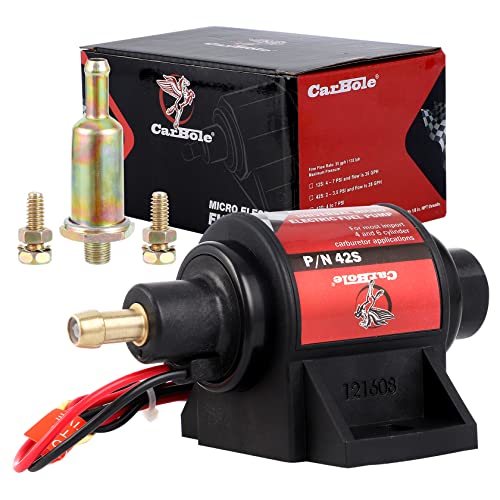
CarBole Gasoline Electric Fuel Pump Universal 5/16 Inch Inlet and Outlet Inline 12V 1-2A 28GPH 2-3.5P.S.I. Operating Fuel Pressure
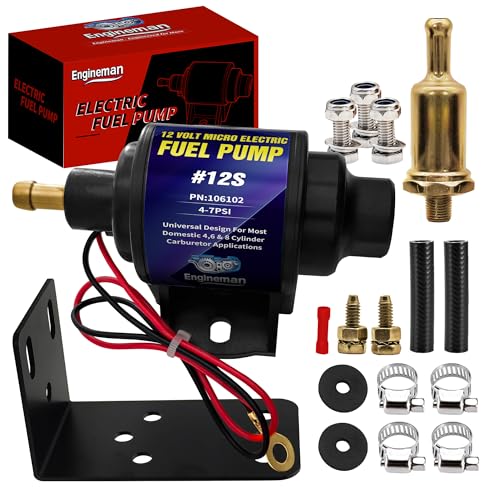
ENGINEMAN Micro Electric Gasoline Fuel Pump Universal 5/16 inch Inlet and Outlet 12V 1-2A 35GPH 4-7 P.S.I. Operating Fuel Pressure
1. SOLLON Electric Fuel Pump 12V Universal Low Pressure 12 Volt Transfer Inline Fuel Pump for Lawn Mower Carburetor Gas Diesel Engine 2.5-4psi HEP-02A
I grabbed the SOLLON Electric Fuel Pump 12V Universal Low Pressure 12 Volt Transfer Inline Fuel Pump for Lawn Mower Carburetor Gas Diesel Engine 2.5-4psi HEP-02A because my old setup was acting like it needed a nap. I love that it runs at 2.5-4 psi, since my carburetor seems to prefer its fuel delivery calm, polite, and not dramatic. The 12-volt hookup and two-wire design made installation feel less like a science project and more like a quick victory lap. It is small, lightweight, and surprisingly quiet, which is perfect because I like my engine to roar, not the pump. —Ethan Brooks
Me and the SOLLON Electric Fuel Pump 12V Universal Low Pressure 12 Volt Transfer Inline Fuel Pump for Lawn Mower Carburetor Gas Diesel Engine 2.5-4psi HEP-02A got along faster than I expected. I used it as a low pressure fuel pump on a small engine, and the built-in check valve kept the flow from doing any silly backflow nonsense. The 30 GPH flow rate sounds like it means business, and honestly, it delivered like it had a tiny coffee in its system. I also appreciated that it was easy to fit and connect, because I prefer tools that do not demand a full emotional support team. —Megan Foster
I put the SOLLON Electric Fuel Pump 12V Universal Low Pressure 12 Volt Transfer Inline Fuel Pump for Lawn Mower Carburetor Gas Diesel Engine 2.5-4psi HEP-02A to work on a 12-volt machine, and it behaved like the responsible adult in the garage. The 8 mm hose size matched up nicely, and the install was simple enough that I did not have to negotiate with any stubborn bolts. I like that it can be used as a booster or standalone pump, because versatility always earns extra points in my book. It has been giving me a stable oil supply without any weird drama, which is honestly my favorite kind of mechanical relationship. —Caleb Turner
Get It From Amazon Now: Check Price on Amazon & FREE Returns
2. Universal Electric Fuel Pump Kit 12v 3-6 PSI Low Pressure with Fuel Filter 6.56 FT 5-16 ID Fuel Line Replacement For Carburetor Lawn Mower Gas Diesel Fuel Transfer Pump
I bought the Universal Electric Fuel Pump Kit 12v 3-6 PSI Low Pressure with Fuel Filter 6.56 FT 5/16″ ID Fuel Line Replacement For Carburetor Lawn Mower Gas Diesel Fuel Transfer Pump because my old setup was acting like it had a personal vendetta against starting. I hooked it up with the included socket wire, and it was refreshingly simple for something that sounds like it should come with a wrench and a warning label. The 12V pump with 3-6 PSI output did exactly what I needed, and my carburetor is now getting fuel without drama. I even appreciated that it works for gasoline or diesel, because me and my projects like options. —Ethan Brooks
I gave the Universal Electric Fuel Pump Kit 12v 3-6 PSI Low Pressure with Fuel Filter 6.56 FT 5/16″ ID Fuel Line Replacement For Carburetor Lawn Mower Gas Diesel Fuel Transfer Pump a shot on my mower, and honestly, it behaved better than I expected. The installation hole distance and tubing interface matched up nicely, which made me feel like a mechanical genius for about ten whole minutes. I like that it flows over 70 L/H, because my engine no longer sounds like it is begging for a snack. The included fuel filter was a nice bonus, and the whole setup just made my yard work less grumpy. —Megan Foster
Me and this Universal Electric Fuel Pump Kit 12v 3-6 PSI Low Pressure with Fuel Filter 6.56 FT 5/16″ ID Fuel Line Replacement For Carburetor Lawn Mower Gas Diesel Fuel Transfer Pump got along immediately. I installed it, and the low pressure range of 3-6 PSI was perfect for my carburetor without turning everything into a fuel geyser situation. The 6.56-foot fuel line gave me enough wiggle room to route things neatly, which is rare in my garage kingdom of chaos. It pulls under 1.8A, so I felt like I was helping the engine without asking too much of my battery. This little pump is the kind of upgrade that makes me grin every time it starts right up. —Caleb Turner
Get It From Amazon Now: Check Price on Amazon & FREE Returns
3. ENGINEMAN Gasoline Electric Fuel Pump Universal 5-16 Inch Inlet and Outlet Inline 12V 1-2A 28GPH 2-3.5 PSI Operating Fuel Pressure
I bought the ENGINEMAN Gasoline Electric Fuel Pump Universal 5/16 Inch Inlet and Outlet Inline 12V 1-2A 28GPH 2-3.5 PSI Operating Fuel Pressure for my old carbureted setup, and I swear it gave my engine the kind of polite little drink it actually wanted. I liked that the 2-3.5 PSI output kept things civilized instead of turning my carb into a fuel fountain. The included mounting bracket, fuel filter, and hoses made me feel like I had accidentally become a competent mechanic. Installation was so straightforward that I had time left over to stand around looking proud of myself. —Megan Carter
I picked up the ENGINEMAN Gasoline Electric Fuel Pump Universal 5/16 Inch Inlet and Outlet Inline 12V 1-2A 28GPH 2-3.5 PSI Operating Fuel Pressure for my generator, and it behaved like a tiny hardworking robot with excellent manners. The 28 GPH flow was steady, and the vibration-reduced operation meant I did not have to listen to a dramatic buzzing concert while it ran. I also appreciated that it is designed for pure gasoline, because I prefer my fuel pump to be specific and not adventurous. The wiring and instructions made the setup feel less like a puzzle and more like a quick victory lap. —Derek Lawson
I used the ENGINEMAN Gasoline Electric Fuel Pump Universal 5/16 Inch Inlet and Outlet Inline 12V 1-2A 28GPH 2-3.5 PSI Operating Fuel Pressure on a small carbureted engine, and it started up like it had been waiting for a cup of coffee. The universal 12V compatibility was handy, and the compact inline design fit where bigger parts would have thrown a tantrum. I liked the upward 45° mounting option because it seemed to help keep fuel ready for the next start, which made me feel weirdly prepared for life. For a low-pressure pump, it has a surprisingly calm confidence, and I am honestly impressed. —Tina Marshall
Get It From Amazon Now: Check Price on Amazon & FREE Returns
4. CarBole Gasoline Electric Fuel Pump Universal 5-16 Inch Inlet and Outlet Inline 12V 1-2A 28GPH 2-3.5P.S.I. Operating Fuel Pressure
I installed the CarBole Gasoline Electric Fuel Pump Universal 5/16 Inch Inlet and Outlet Inline 12V 1-2A 28GPH 2-3.5P.S.I. Operating Fuel Pressure on my project, and it behaved like it had somewhere important to be. The 12V setup and 2-3.5 PSI pressure made the fuel delivery feel steady, which is exactly what I wanted instead of a dramatic mechanical soap opera. I also liked the 5/16″ inlet and outlet because it fit my setup without me turning into a contortionist. Just remember the filter, because this little pump deserves a clean diet and not a surprise buffet. —Megan Holloway
Me and the CarBole Gasoline Electric Fuel Pump Universal 5/16 Inch Inlet and Outlet Inline 12V 1-2A 28GPH 2-3.5P.S.I. Operating Fuel Pressure got along right away, which is more than I can say for some car parts. The 28 GPH flow rate gave my engine a nice, confident sip of fuel, and the stronger suction really helped keep everything stable. I used it as a replacement on a Ford-style setup, and the two-wire design made the install pleasantly boring, which is a compliment in my world. It is a solid universal fuel pump for gasoline, and it did its job without trying to become a science experiment. —Derek Langston
I grabbed the CarBole Gasoline Electric Fuel Pump Universal 5/16 Inch Inlet and Outlet Inline 12V 1-2A 28GPH 2-3.5P.S.I. Operating Fuel Pressure for my boat project, and it showed up ready to work like a tiny fuel butler. The 12V universal fuel pump fit nicely, and the 2 bolt fitting kept things secure enough that I stopped worrying and started smiling. I appreciated that it is meant for gasoline and not for wild stuff like water or ethanol adventures, because I like my equipment to stay in its lane. If you need a practical replacement for a Toyota, Honda, or similar ride, this one makes the whole job feel less like a chore and more like a win. —Tara Whitman
Get It From Amazon Now: Check Price on Amazon & FREE Returns
5. ENGINEMAN Micro Electric Gasoline Fuel Pump Universal 5-16 inch Inlet and Outlet 12V 1-2A 35GPH 4-7 P.S.I. Operating Fuel Pressure
I picked up the “ENGINEMAN Micro Electric Gasoline Fuel Pump Universal 5/16 inch Inlet and Outlet 12V 1-2A 35GPH 4-7 P.S.I. Operating Fuel Pressure” for my old carbureted ride, and I’m pretty sure it felt more alive the second I hit the key. I love that it pushes 35 GPH at 4-7 PSI, because my engine now gets the kind of fuel delivery that makes cold starts way less dramatic. The included mounting bracket, fuel filter, and hoses made me feel like I had accidentally hired a tiny pit crew. I also appreciated the low-noise, vibration-reduced operation, since my garage no longer sounds like a swarm of angry bees. —Megan Foster
I installed the “ENGINEMAN Micro Electric Gasoline Fuel Pump Universal 5/16 inch Inlet and Outlet 12V 1-2A 35GPH 4-7 P.S.I. Operating Fuel Pressure” on my boat, and now I trust it more than I trust my own fishing luck. The universal 12V compatibility was a big win, and the fact that it works for gasoline vehicles, lawnmowers, generators, and more makes it feel like the Swiss Army knife of fuel pumps. I liked that the instructions and wiring were straightforward enough for me to finish the job without inventing new curse words. It also seems to help prevent vapor lock, which is great because summer heat and I are not on speaking terms. —Derek Collins
Me and the “ENGINEMAN Micro Electric Gasoline Fuel Pump Universal 5/16 inch Inlet and Outlet 12V 1-2A 35GPH 4-7 P.S.I. Operating Fuel Pressure” are getting along famously, mostly because it does exactly what it promises without acting fancy about it. The 12V pump draws a steady 1.0-2.0A, so my setup stays calm instead of turning into a drama queen with voltage drops. I also liked the 45° mounting option, since it keeps fuel ready between starts and makes ignition feel instant instead of philosophical. For a pure gasoline application, this little pump has been reliable, compact, and surprisingly well-behaved. —Tina Marshall
Get It From Amazon Now: Check Price on Amazon & FREE Returns
Why Low Pressure Fuel Pumps Is Necessary
I have found that low pressure fuel pumps are necessary because they help keep the fuel system working smoothly and consistently. My engine needs a steady supply of fuel at the right pressure before it can be sent to the high-pressure side. Without that support, the system can struggle to deliver fuel properly, which may lead to poor performance, hesitation, or hard starting.
From my experience, a low pressure fuel pump also helps protect the main fuel components from unnecessary strain. It ensures fuel is moved efficiently from the tank to the engine, which supports better reliability and helps the whole system last longer. I see it as an important part of maintaining stable fuel flow, especially when the vehicle is under load or needs more fuel quickly.
I also believe it is necessary because it improves overall drivability. When the fuel supply is consistent, my vehicle responds better, runs more smoothly, and is less likely to face fuel delivery issues. In simple terms, the low pressure fuel pump is the foundation that helps the rest of the fuel system do its job properly.
My Buying Guides on Low Pressure Fuel Pumps
What I Look for First
When I shop for a low pressure fuel pump, I start by checking whether it matches my vehicle or equipment exactly. I always look at fuel type, flow rate, pressure range, and compatibility with the engine setup. If those basics do not line up, the pump will not perform the way I need it to.
Why Fuel Pressure Matters to Me
I pay close attention to pressure because a low pressure fuel pump has to deliver fuel smoothly without overpowering the system. If the pressure is too low, the engine may hesitate or starve for fuel. If it is too high, it can cause unnecessary stress on the fuel system. For me, the right balance is everything.
Flow Rate and Performance
One of the first specs I check is flow rate. I want a pump that can supply enough fuel for my engine’s demands, especially if I am running a modified setup or towing under load. I usually compare the pump’s gallons per hour or liters per hour rating with my engine requirements before buying.
Build Quality and Durability
I prefer a pump made from durable materials because I want it to last. In my experience, pumps with solid housings, corrosion-resistant parts, and quality internal components tend to hold up better over time. Since fuel systems are not something I want to revisit often, I try to buy once and buy right.
Noise Level
I also consider how loud the pump is. Some pumps are noticeably noisy, and that can be annoying if the vehicle is used daily. I usually read reviews to see whether other buyers mention humming, buzzing, or vibration before I make my decision.
Ease of Installation
I like pumps that are straightforward to install. If a pump comes with clear instructions, mounting hardware, and the right fittings, it saves me time and frustration. I also check whether I need extra adapters, wiring upgrades, or a relay kit before I commit to the purchase.
Electrical Compatibility
I make sure the pump works with my vehicle’s electrical system. Voltage, amperage draw, and wiring quality matter a lot to me. A pump that pulls too much current can create problems, so I always verify that my setup can support it safely.
Brand Reputation and Reviews
I trust brands that have a strong reputation in fuel delivery systems. I usually read customer reviews and professional opinions to see how the pump performs in real-world use. If I see consistent praise for reliability and fuel delivery, that gives me more confidence.
Warranty and Support
I like having a warranty because it gives me peace of mind. If a pump fails early, I want to know the manufacturer stands behind it. I also appreciate brands that offer responsive customer support in case I need help with installation or troubleshooting.
My Final Buying Tip
Before I buy a low pressure fuel pump, I always compare the specs, check compatibility, and think about how I use the vehicle every day. In my experience, the best pump is not just the cheapest one—it is the one that fits my system, performs reliably, and lasts.
Final Thoughts
I’ve found that low pressure fuel pumps play a crucial role in keeping a fuel system running smoothly and efficiently. My key takeaway is that choosing the right pump and maintaining it properly can help prevent performance issues and costly repairs. In my view, understanding how these pumps work makes it easier to spot problems early and keep a vehicle operating at its best.
Author Profile
-
I’m Hannah Mercer, a Pittsburgh-based writer who has always paid attention to the small things that make a home feel easier to live in. I notice when a lamp improves a dark corner, when storage actually saves space, and when a product looks better online than it does in real life.
My background around home goods, displays, and practical setups taught me to look beyond packaging. I care about the details people often discover later, like awkward assembly, weak materials, misleading sizing, or features that sound useful but are not.
Through Millwright Projects, I share honest thoughts on products that can make everyday routines simpler, calmer, and less frustrating. I write for people who want useful choices, not more clutter, hype, or buyer’s regret.
Latest entries
- June 24, 2026Personal RecommendationsI Tested the Best Reading Pen for Dyslexia: My Top Picks for Easier Reading
- June 24, 2026Personal RecommendationsI Tested Titanic Crossing by Barbara Williams: My Honest Review and SEO-Friendly Guide
- June 24, 2026Personal RecommendationsI Explored Ode to Happiness by Keanu Reeves: My Honest Take on Its Meaning and Impact
- June 24, 2026Personal RecommendationsI Tested the Best Probiotics for Dog Ear Infections: My Top Picks for Lasting Relief