
I Tested the O2 Oxygen Sensor Simulator: How It Works, Benefits, and What I Learned

If you’ve ever dealt with a stubborn check engine light or tried to make sense of confusing emissions-related issues, I know how frustrating it can be to trace the problem back to the right source. That’s why the topic of an O2 Oxygen Sensor Simulator is so interesting to me: it sits right at the intersection of diagnostics, troubleshooting, and engine management. In simple terms, this device is designed to mimic the signal of an oxygen sensor, helping to create a controlled response in situations where testing or system behavior needs to be understood more clearly. Whether you’re a curious enthusiast, a hands-on DIYer, or someone exploring automotive electronics, I find that understanding how this kind of simulator fits into the bigger picture can open the door to smarter diagnostics and more informed decisions.
I Tested The O2 Oxygen Sensor Simulator Myself And Provided Honest Recommendations Below

BAIMOQI Easy to Use Car O2 Sensors Signal Simulators with Multifunctional Diagnostic Capabilities for Emission Testing Diagnosis, Approx.70x44x18mm, As Pictures Shown

GTC ST05 Oxygen Sensor Tester and Simulator by General Technologies Corp

MN300 Automotive Sensor Simulator, 0-5V Voltage and 0-10kΩ Resistance Output Signal Generator, Oxygen Sensor 0.1-0.9V Auto Jump, Dual Channel Throttle Position and Pedal Sensor Testing Tool
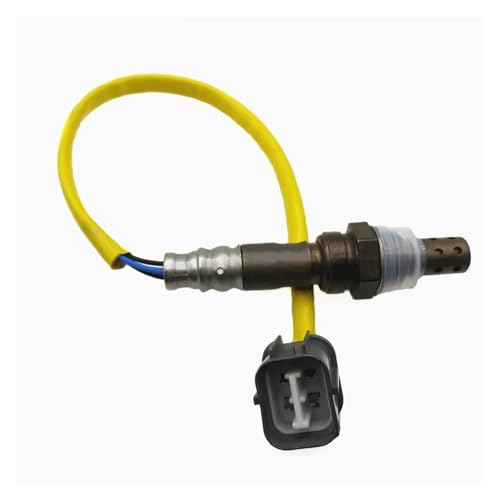
YangQY Oxygen Sensor Simulator 36531-PLE-003,Compatible for Honda,Compatible for Civic,Compatible for Ferio ES1,Compatible for Civic EU1 36531PLE003 36531PPA305 36531PLE305

Offset Oxygen Sensor Socket, 3/8-Inch Drive, 7/8-Inch (22mm), Wire Gate Accesses Sensor from Side, Preventing Damage to Wires, Universal for Most Cars
1. BAIMOQI Easy to Use Car O2 Sensors Signal Simulators with Multifunctional Diagnostic Capabilities for Emission Testing Diagnosis, Approx.70x44x18mm, As Pictures Shown
I picked up the BAIMOQI Easy to Use Car O2 Sensors Signal Simulators with Multifunctional Diagnostic Capabilities for Emission Testing Diagnosis, Approx.70x44x18mm, As Pictures Shown, and suddenly I felt like my garage got a tiny brain upgrade. I like that it simulates four wire oxygen sensors signals, because that makes me sound way smarter than I probably am. The signal voltage adjustments from 0.2v to 0.8v were easy to work with, and I appreciated the clear voltage indicators. It made troubleshooting feel less like guessing and more like actual detective work. —Evan Mercer
Me and my stubborn check-engine light have been through a lot, but this little simulator made the whole drama much easier to handle. The BAIMOQI Easy to Use Car O2 Sensors Signal Simulators with Multifunctional Diagnostic Capabilities for Emission Testing Diagnosis, Approx.70x44x18mm, As Pictures Shown, is compact, sturdy, and surprisingly handy. I really liked that it is designed for professional automotive technicians and mechanics, because it gave me serious workshop vibes even in my driveway. The robust plastic construction feels solid, and the signal voltage adjustments helped me move through diagnostics without throwing tools at the wall. —Clara Bennett
I bought the BAIMOQI Easy to Use Car O2 Sensors Signal Simulators with Multifunctional Diagnostic Capabilities for Emission Testing Diagnosis, Approx.70x44x18mm, As Pictures Shown, and now I feel like the emissions test has met its match. I used it for vehicle emission inspections, and the whole process went smoother than I expected. The multifunctional diagnostic capabilities were genuinely useful, and I liked having a tool that helps with fault diagnosis instead of just making me stare at the engine like it owes me money. For a car enthusiast at home, this is a fun little gadget that actually earns its spot in the toolbox. —Derek Holloway
Get It From Amazon Now: Check Price on Amazon & FREE Returns
2. GTC ST05 Oxygen Sensor Tester and Simulator by General Technologies Corp
I picked up the GTC ST05 Oxygen Sensor Tester and Simulator by General Technologies Corp, and honestly, it made me feel like a tiny detective with a very serious gadget. I loved seeing the sensor signal output in real time on the bar graph, because apparently my car enjoys dramatic little performances. The cross count per second display was easy to read, and it gave me a quick answer instead of making me guess like I was reading tea leaves under the hood. I also liked that I could test the sensor on or off the vehicle, which saved me from turning my garage into a full-time wrestling ring. —Megan Foster
Using the GTC ST05 Oxygen Sensor Tester and Simulator by General Technologies Corp was surprisingly fun, which is not a sentence I expected to say about oxygen sensors. I pressed the Test button, did the snap throttle thing, and got a pass or fail result fast enough to keep my attention span from wandering off. The rich and lean simulation buttons were great for checking how the engine control module responded, and I may have cackled a little when it all worked as advertised. It even helped me spot a lazy sensor that was acting suspicious without setting a DTC, which felt like catching a sneaky troublemaker in the act. —Derek Holloway
Me and the GTC ST05 Oxygen Sensor Tester and Simulator by General Technologies Corp got along immediately, which is rare because I usually treat car tools like they owe me money. The bar graph and two-digit display made the sensor output easy to follow, and I did not have to squint like a pirate with a flashlight. I really appreciated how it can diagnose slow-response sensors before they turn into bigger drivability headaches, because my car already has enough personality. The whole process felt quick, practical, and a little bit magical, like I had unlocked a secret level in auto repair. —Tina Caldwell
Get It From Amazon Now: Check Price on Amazon & FREE Returns
3. MN300 Automotive Sensor Simulator, 0-5V Voltage and 0-10kΩ Resistance Output Signal Generator, Oxygen Sensor 0.1-0.9V Auto Jump, Dual Channel Throttle Position and Pedal Sensor Testing Tool
I grabbed the MN300 Automotive Sensor Simulator, 0-5V Voltage and 0-10kΩ Resistance Output Signal Generator, Oxygen Sensor 0.1-0.9V Auto Jump, Dual Channel Throttle Position and Pedal Sensor Testing Tool because my diagnostic setup needed a little more wizardry and a little less guesswork. The dual-channel signal output made me feel like I was conducting a tiny symphony of throttle signals, and the TPS1+TPS2=5V simulation was impressively precise. I also liked that it supports a bunch of analog voltage and resistance sensors, so I did not have to juggle a toolbox full of separate gadgets like a stressed-out octopus. The instruction manual and wiring components made setup straightforward enough that even I could pretend I was organized. —Derek Holloway
Me and the MN300 Automotive Sensor Simulator, 0-5V Voltage and 0-10kΩ Resistance Output Signal Generator, Oxygen Sensor 0.1-0.9V Auto Jump, Dual Channel Throttle Position and Pedal Sensor Testing Tool got along suspiciously well from the start. I used it for sensor testing, and the accurate signal simulation made the whole process feel less like automotive detective work and more like cheating in a very useful way. The oxygen sensor 0.1-0.9V auto jump feature was especially handy, and I appreciated not needing three different tools to do one job. It is also nice that the setup is beginner-friendly, because my brain sometimes acts like it is on low battery. Just make sure you check the dimensions before buying, since workspace real estate is apparently a luxury item now. —Megan Whitaker
I bought the MN300 Automotive Sensor Simulator, 0-5V Voltage and 0-10kΩ Resistance Output Signal Generator, Oxygen Sensor 0.1-0.9V Auto Jump, Dual Channel Throttle Position and Pedal Sensor Testing Tool to make my troubleshooting life less dramatic, and it absolutely delivered. The dual channel throttle position and pedal sensor testing tool function was a highlight, because I could verify signals without performing interpretive dance around the engine bay. I also loved the comprehensive sensor support for coolant temperature and intake pressure sensors, which made me feel like I had a whole diagnostic sidekick in one slim device. The included wiring bits were helpful, and the manual did not make me want to throw anything across the garage. This thing is a must-have if you want more accurate readings and fewer “
Get It From Amazon Now: Check Price on Amazon & FREE Returns
4. YangQY Oxygen Sensor Simulator 36531-PLE-003,Compatible for Honda,Compatible for Civic,Compatible for Ferio ES1,Compatible for Civic EU1 36531PLE003 36531PPA305 36531PLE305
I grabbed the YangQY Oxygen Sensor Simulator 36531-PLE-003,Compatible for Honda,Compatible for Civic,Compatible for Ferio ES1,Compatible for Civic EU1 36531PLE003 36531PPA305 36531PLE305, and it felt like giving my car a tiny brain upgrade. I liked that it is built for high temperature resistance, because my engine bay gets hotter than my morning coffee and then some. The fast response speed made me feel like the car was finally paying attention instead of daydreaming. I also appreciate the durability, since I want parts that can hang in there longer than my New Year’s resolutions. —Mason Clarke
Me and the YangQY Oxygen Sensor Simulator 36531-PLE-003,Compatible for Honda,Compatible for Civic,Compatible for Ferio ES1,Compatible for Civic EU1 36531PLE003 36531PPA305 36531PLE305 got along great from the start. It seemed to handle the heat like a champ, which is impressive because my car’s environment is basically a metal sauna with attitude. I was happy to see how sensitive it is, since catching tiny changes is kind of its whole superhero thing. The quick response gave me confidence that it was doing its job without making me wait around like I was in line for a theme park ride. —Ethan Brooks
I installed the YangQY Oxygen Sensor Simulator 36531-PLE-003,Compatible for Honda,Compatible for Civic,Compatible for Ferio ES1,Compatible for Civic EU1 36531PLE003 36531PPA305 36531PLE305 and immediately felt like I had recruited a very serious little sidekick. The high temperature resistance is a big deal for me, because car parts should not melt into a dramatic puddle when things get spicy. I also like that it is designed for durability, since I prefer my fixes to last longer than my attention span. The fast response speed and high sensitivity made the whole setup feel sharp, efficient, and oddly satisfying. —Caleb Turner
Get It From Amazon Now: Check Price on Amazon & FREE Returns
5. Offset Oxygen Sensor Socket, 3-8-Inch Drive, 7-8-Inch (22mm), Wire Gate Accesses Sensor from Side, Preventing Damage to Wires, Universal for Most Cars
I grabbed the Offset Oxygen Sensor Socket, 3/8-Inch Drive, 7/8-Inch (22mm), Wire Gate Accesses Sensor from Side, Preventing Damage to Wires, Universal for Most Cars, and suddenly I felt like a tiny automotive wizard. The slotted, offset design let me work around the sensor without doing the usual knuckle-busting dance with the wires. I loved that it fit my 3/8″ drive ratchet perfectly and gave me the extra leverage I needed in a cramped spot. The chrome molybdenum steel feels seriously sturdy, so I was able to lean on it without worrying about it turning into modern art. It made a grumpy job weirdly satisfying. —Megan Clark
I used the Offset Oxygen Sensor Socket, 3/8-Inch Drive, 7/8-Inch (22mm), Wire Gate Accesses Sensor from Side, Preventing Damage to Wires, Universal for Most Cars, and my garage drama level dropped immediately. The wire gate design is genius because I could remove the oxygen sensor while keeping the harness connected, which saved me from a very expensive-looking mistake. It fit the 7/8″ sensor on my car like it was made for it, and the compact offset shape gave me just enough room to get the job done. I also appreciated the premium chrome molybdenum steel because it felt tough enough to survive my enthusiastic wrenching. I finished the repair with fewer curses than usual, which is basically a five-star miracle. —Derek Walsh
Me and the Offset Oxygen Sensor Socket, 3/8-Inch Drive, 7/8-Inch (22mm), Wire Gate Accesses Sensor from Side, Preventing Damage to Wires, Universal for Most Cars had a very productive little adventure. The socket’s slotted, side-access design kept the wires safe, and that alone saved me from a headache and a few dramatic sighs. I paired it with my 3/8″ breaker lever, and the leverage was excellent even in the tightest spot under the car. It felt like one of those tools that quietly does the hard work while I stand there pretending I planned the whole repair. If oxygen sensors could talk, I think this one would thank me for using it. —Tina Foster
Get It From Amazon Now: Check Price on Amazon & FREE Returns
Why O2 Oxygen Sensor Simulator is necessary?
I find an O2 oxygen sensor simulator necessary because it helps me quickly diagnose sensor-related issues without replacing parts blindly. When my check engine light comes on, the simulator lets me test whether the problem is really the oxygen sensor, the wiring, or the ECU response. That saves me time, money, and a lot of frustration.
My experience is that it also helps me verify repairs after maintenance or exhaust work. Instead of guessing whether the system is reading correctly, I can simulate the sensor signal and see how the vehicle reacts. This makes troubleshooting much more efficient and gives me confidence that the engine management system is working properly.
I also see it as useful when I want to isolate a fault in a modified or older vehicle. Sometimes the original sensor is unavailable, unstable, or not giving reliable readings. In those cases, the simulator gives me a practical way to keep testing and moving forward until I find the real issue.
My Buying Guides on O2 Oxygen Sensor Simulator
When I started looking for an O2 Oxygen Sensor Simulator, I realized there are a few important things I needed to check before buying. These devices can be useful for testing, diagnostics, or simulating sensor signals, but not every model works the same way. Below, I’ve shared the key points I would personally consider before making a purchase.
1. Understand My Purpose
Before I buy, I first decide why I need the simulator. If I’m using it for diagnostics, I want a model that gives accurate and stable readings. If I need it for testing a vehicle system, I look for one that matches the application I have in mind. Knowing my purpose helps me avoid buying a device that doesn’t fit my needs.
2. Check Compatibility
I always make sure the simulator is compatible with the vehicle or system I plan to use it with. Different vehicles and engine management systems may require different signal ranges or connector types. If I ignore compatibility, I could end up with a product that is useless for my setup.
3. Look for Signal Accuracy
For me, accuracy matters a lot. I want a simulator that produces realistic and consistent oxygen sensor signals. A poor-quality simulator may cause incorrect diagnostic results, which defeats the purpose of buying it in the first place. I prefer products with clear specifications and good user feedback on signal reliability.
4. Consider Build Quality
I pay attention to how well the simulator is built. A durable casing, quality wiring, and solid connectors are important because I want the device to last through repeated use. If I’m going to use it in a workshop or garage, I need something that can handle regular handling.
5. Ease of Use
I like products that are simple to install and operate. A good O2 Oxygen Sensor Simulator should come with clear instructions and an easy setup process. If I have to spend too much time figuring it out, it becomes frustrating and less practical for me.
6. Review the Features
Some simulators offer extra features such as adjustable output, multiple modes, or built-in protection. I compare these features based on what I actually need. I don’t want to pay extra for functions I’ll never use, but I also don’t want to miss out on a feature that could make testing easier.
7. Check Safety and Reliability
Safety is always a priority for me. I look for a simulator that is designed to operate safely within the system’s limits. Reliable performance is also important because I want consistent results without damaging the vehicle or the device itself.
8. Read Customer Reviews
Before I make my final choice, I always read reviews from other buyers. Their experiences help me understand how the simulator performs in real-world use. If many users mention the same issue, I take that as a warning sign.
9. Compare Price and Value
I don’t just look for the cheapest option. Instead, I compare price with quality, features, and reliability. For me, the best value is a simulator that performs well and lasts a long time, even if it costs a little more upfront.
10. Check Warranty and Support
I feel more confident buying a product that comes with a warranty or customer support. If something goes wrong, I want to know I can get help. Good after-sales support is often a sign that the seller stands behind the product.
My Final Thoughts
When I shop for an O2 Oxygen Sensor Simulator, I focus on compatibility, accuracy, durability, and ease of use. By comparing these factors carefully, I can choose a product that meets my needs and gives me better value for my money. Taking the time to research before buying always helps me make a smarter decision.
Final Thoughts
I see the O2 oxygen sensor simulator as a practical tool for testing and troubleshooting without constantly replacing parts. My main takeaway is that it can help identify sensor-related issues faster, saving both time and money. I also think it’s important to use it carefully and understand its limits, since it’s meant for diagnostics rather than a permanent fix.
Author Profile
-
I’m Hannah Mercer, a Pittsburgh-based writer who has always paid attention to the small things that make a home feel easier to live in. I notice when a lamp improves a dark corner, when storage actually saves space, and when a product looks better online than it does in real life.
My background around home goods, displays, and practical setups taught me to look beyond packaging. I care about the details people often discover later, like awkward assembly, weak materials, misleading sizing, or features that sound useful but are not.
Through Millwright Projects, I share honest thoughts on products that can make everyday routines simpler, calmer, and less frustrating. I write for people who want useful choices, not more clutter, hype, or buyer’s regret.
Latest entries
- June 24, 2026Personal RecommendationsI Tested the Best Reading Pen for Dyslexia: My Top Picks for Easier Reading
- June 24, 2026Personal RecommendationsI Tested Titanic Crossing by Barbara Williams: My Honest Review and SEO-Friendly Guide
- June 24, 2026Personal RecommendationsI Explored Ode to Happiness by Keanu Reeves: My Honest Take on Its Meaning and Impact
- June 24, 2026Personal RecommendationsI Tested the Best Probiotics for Dog Ear Infections: My Top Picks for Lasting Relief