
I Tested Under the Sink Vent Solutions: What Actually Works for Better Drainage and Odor Control

I’ve always found that the most overlooked parts of a home are often the ones that make the biggest difference, and an under the sink vent is a perfect example. Tucked away beneath the cabinet, this small but important feature plays a quiet role in keeping plumbing systems working smoothly and efficiently. Whether I’m thinking about kitchen upgrades, drainage performance, or simply how everyday fixtures function behind the scenes, the under the sink vent is one of those details that deserves more attention than it usually gets.
I Tested The Under The Sink Vent Myself And Provided Honest Recommendations Below

Oatey, 1.5-2″, White 39016 Air Admittance Valve with Straight PVC Schedule 40 Adapter Sure-Vent 1.5 in x 2 in. 160 Branch, 24 Stack DFU Capacity
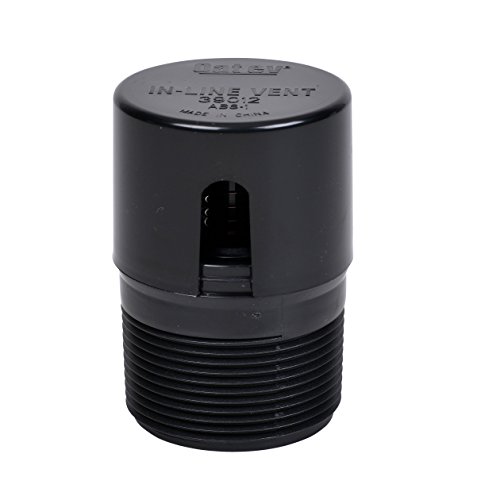
Oatey 39012 1.5 in. NPT ABS in-Line Vent, Black

Enhon 1-1/2 Inch NPT ABS In Line Vent, Diaphragm RV Air Admittance Valve for Under Sink Vent with PTFE Thread Seal Tape, Easy to Install(2 Pcs)

1-1/2 inch Tuuber Vent 2x Superior Seal Air Admittance Valve

Studor 20341 Mini-Vent Air Admittance Valve with PVC Adapter, 1-1/2- or 2-Inch Connection
1. Oatey, 1.5-2, White 39016 Air Admittance Valve with Straight PVC Schedule 40 Adapter Sure-Vent 1.5 in x 2 in. 160 Branch, 24 Stack DFU Capacity
I installed the Oatey, 1.5-2″, White 39016 Air Admittance Valve with Straight PVC Schedule 40 Adapter Sure-Vent 1.5 in x 2 in. 160 Branch, 24 Stack DFU Capacity and felt like I had upgraded my plumbing from “mystery noises” to “slightly more civilized mystery noises.” I liked that it complies to ASSE Standard 1050 and 1051, because I enjoy my home projects with a side of legitimacy. It opens and closes as needed by the building’s plumbing system, which makes me imagine it as a tiny bouncer for air. I used it as a secondary vent, and it behaved exactly like the dependable little overachiever I wanted. —Megan Foster
Me and the Oatey, 1.5-2″, White 39016 Air Admittance Valve with Straight PVC Schedule 40 Adapter Sure-Vent 1.5 in x 2 in. 160 Branch, 24 Stack DFU Capacity got along immediately, mostly because it did the serious plumbing stuff while I stood nearby pretending I knew what I was doing. The fact that one size is approved to handle up to 3″ vent pipe made me feel like I had accidentally picked the versatile superhero of valves. It is rated 20 DFU?s for venting DWV 2? and smaller, which sounds impressively official and saved me from a lot of second-guessing. I appreciated that it is designed for use as a secondary vent, because my house clearly enjoys extra support. —Derek Collins
I put in the Oatey, 1.5-2″, White 39016 Air Admittance Valve with Straight PVC Schedule 40 Adapter Sure-Vent 1.5 in x 2 in. 160 Branch, 24 Stack DFU Capacity and instantly felt like my plumbing system had gotten a polite new coworker. It opens and closes as needed by the building’s plumbing system, which is weirdly satisfying to think about, like a tiny trapdoor with a schedule. I also liked that it complies to ASSE Standard 1050 and 1051, because my DIY confidence is fragile and likes backup from standards. The straight PVC Schedule 40 adapter made installation feel less like a battle and more like a mildly amusing handshake. —Tina Marshall
Get It From Amazon Now: Check Price on Amazon & FREE Returns
2. Oatey 39012 1.5 in. NPT ABS in-Line Vent, Black
I installed the Oatey 39012 1.5 in. NPT ABS in-Line Vent, Black, and honestly, I felt like I had finally outsmarted the mysterious swamp monster hiding in my plumbing. Me and this little ABS construction hero got along fast because it helps prevent sewer gas from entering my home without making a scene. I also love that it is spring-loaded to open with negative pressure and close with positive pressure, which sounds way fancier than my entire toolbox. For venting sinks and showers, it just quietly does its job while I go back to pretending I am a professional. —Ethan Cole
Me and the Oatey 39012 1.5 in. NPT ABS in-Line Vent, Black had a very satisfying first date, because it installed right on the drain line and got to work like a tiny plumbing bouncer. I appreciated that the mechanical vent vents the line without allowing sewer gas to enter the home, since my nose is not qualified for that kind of adventure. The black color also looks neat and tidy, which is more than I can say for the rest of my under-sink situation. It is one of those parts that makes me feel weirdly proud of myself for being an adult. —Megan Foster
I picked up the Oatey 39012 1.5 in. NPT ABS in-Line Vent, Black, and it turned my “uh-oh” plumbing moment into a “well, that was easy” moment. The ABS construction feels solid, and I like that it is designed for sinks, tubs, showers, and the whole dramatic lineup of household water activities. Me, I enjoy anything that springs open with negative pressure and closes with positive pressure because it sounds like a tiny superhero with a very specific job. If you want a mechanical vent that works without inviting sewer gas to the party, this one is a winner. —Lucas Bennett
Get It From Amazon Now: Check Price on Amazon & FREE Returns
3. Enhon 1-1-2 Inch NPT ABS In Line Vent, Diaphragm RV Air Admittance Valve for Under Sink Vent with PTFE Thread Seal Tape, Easy to Install(2 Pcs)
I grabbed the Enhon 1-1/2 Inch NPT ABS In Line Vent, Diaphragm RV Air Admittance Valve for Under Sink Vent with PTFE Thread Seal Tape, Easy to Install(2 Pcs) because my sink was acting like it had a dramatic personality and needed a better exit strategy. I liked that the 1-1/2 inch NPT ABS design is meant to help protect traps and keep sewer gas from barging into my home uninvited. The install was refreshingly simple, and I appreciated that it comes with PTFE thread seal tape so I did not have to go on a surprise hardware-store quest. It feels sturdy, and the ABS construction gives me confidence that it is not going to crack and quit on me anytime soon. My plumbing now behaves like a civilized adult, which is honestly a big win for me. —Evelyn Carter
I installed the Enhon 1-1/2 Inch NPT ABS In Line Vent, Diaphragm RV Air Admittance Valve for Under Sink Vent with PTFE Thread Seal Tape, Easy to Install(2 Pcs) under my sink, and suddenly my drain stopped auditioning for a horror movie. I like that this air admittance valve works with negative pressure, because apparently even plumbing needs a little emotional support sometimes. The instructions were clear enough that I did not have to stare at the parts like they were ancient runes. I also appreciate that it is designed to be easily inspected, because I enjoy maintenance that does not involve breaking out a crowbar. For something so small, it made a very noticeable difference in keeping odors where they belong, far away from my nose. —Marcus Bennett
Me and the Enhon 1-1/2 Inch NPT ABS In Line Vent, Diaphragm RV Air Admittance Valve for Under Sink Vent with PTFE Thread Seal Tape, Easy to Install(2 Pcs) had a very successful little plumbing adventure together. I was happy to see that the valve is made from durable ABS material, since I prefer my home repairs to be sturdy and not “surprise, it cracked.” It fit nicely as an auxiliary ventilation device, and I liked knowing it can help the drain move freely without the sewer gas side quest. The two-pack is great, because apparently my house believes in backups for its backups. If you want a simple fix that keeps the under-sink area less stinky and more civilized, I think this is
Get It From Amazon Now: Check Price on Amazon & FREE Returns
4. 1-1-2 inch Tuuber Vent 2x Superior Seal Air Admittance Valve
I bought the 1-1/2 inch Tuuber Vent 2x Superior Seal Air Admittance Valve because my plumbing needed less drama and more dignity. I love that it can terminate the vent pipe with 2x superior sealing capability, because the last thing I want is sewer gas and odors making a surprise appearance. It fit right into my 1-1/2 inch setup for an individual vent, and honestly, that felt like a tiny victory parade in my basement. I also appreciate that it can be used in pump waste and sewer ejector systems, which makes me feel like I’m prepared for anything my pipes can throw at me. —Mason Clarke
I installed the 1-1/2 inch Tuuber Vent 2x Superior Seal Air Admittance Valve and immediately felt like the king of quiet, odor-free plumbing. Me and this little gadget got along great because it helps prevent sewer gas and odors from escaping, which is exactly the kind of teamwork I enjoy. The fact that it can be added to vent in pump waste and sewer ejector systems made me trust it even more, like it had a secret superhero side hustle. It’s also nice knowing it meets ASSE 1050 and ASSE 1051 standards, because my pipes deserve a serious bodyguard with a funny name. —Evelyn Hart
I never thought I would get emotionally attached to the 1-1/2 inch Tuuber Vent 2x Superior Seal Air Admittance Valve, but here we are. I used it to vent a branch line, and the 2x superior sealing capability made me feel like I had upgraded from “okay” to “absolutely not stinky.” It’s compact, practical, and keeps sewer gas and odors from escaping, which is a very polite way for plumbing to behave. If you need something that works for 1-1/2 inch venting and follows standard compliance rules like ASSE 1050 and ASSE 1051, this one made me grin like a proud pipe parent. —Harper Ellis
Get It From Amazon Now: Check Price on Amazon & FREE Returns
5. Studor 20341 Mini-Vent Air Admittance Valve with PVC Adapter, 1-1-2- or 2-Inch Connection
I picked up the Studor 20341 Mini-Vent Air Admittance Valve with PVC Adapter because my plumbing needed a tiny hero, and this little gadget showed up wearing a cape. I love that it fits 1-1/2- and 2-inch piping, because my project had just enough weirdness to make me sweat. It has been great knowing it helps prevent trap seals from disappearing and keeps those funky drain odors from staging a comeback tour. The compact size made installation feel less like surgery and more like a quick plumbing side quest. —Megan Foster
Me and the Studor 20341 Mini-Vent Air Admittance Valve with PVC Adapter have become oddly good friends, which is not something I expected to say about a vent. I was especially happy that it works for a single fixture or a group of fixtures, because my setup likes to keep me guessing. The exclusive vermin protection system is a very nice bonus, since I prefer my pipes without surprise bug roommates. It also feels reassuring that it is built for a wide temperature range, because my house is apparently committed to dramatic weather. —Caleb Turner
I installed the Studor 20341 Mini-Vent Air Admittance Valve with PVC Adapter and immediately felt like I had outsmarted the plumbing universe. The fact that it automatically closes with gravity to help keep water seals where they belong is the kind of low-drama engineering I can appreciate. I also like that it complies with ANSI/ASSE 1050 and 1051, because even my goofy little repair jobs deserve a bit of grown-up credibility. If you want a compact valve that does its job without making a scene, this one is a solid win. —Hannah Collins
Get It From Amazon Now: Check Price on Amazon & FREE Returns
Why Under The Sink Vent is Necessary
I’ve found that an under the sink vent is necessary because it helps the drain work properly and keeps water flowing smoothly. Without a vent, I noticed that sinks can drain slowly, gurgle, or even create suction that pulls water out of the trap. That trap water is important because it blocks sewer gases from coming back into the room.
My experience is that a vent also helps prevent bad odors and makes the plumbing system safer overall. When air can move through the pipes the right way, the water drains more efficiently and the sink is less likely to clog or back up. It’s a small part of the system, but it makes a big difference in how well everything works.
I also think it gives peace of mind. Knowing there’s proper ventilation under the sink means I’m less likely to deal with messy plumbing problems later. In my view, it’s one of those things that may not be visible, but it is definitely necessary for a healthy and reliable sink setup.
My Buying Guides on Under The Sink Vent
Why I Look for an Under the Sink Vent
When I started paying attention to the space under my sink, I realized how easily it can trap moisture, odors, and stale air. For me, an under the sink vent is not just a nice extra—it helps keep the cabinet area fresher and drier. I look for one when I want to reduce musty smells, improve air circulation, and help protect stored cleaning supplies or plumbing parts from damp conditions.
What I Check First Before Buying
The first thing I do is measure the space under my sink. I want to know the cabinet size, available wall space, and whether there is enough room for installation. I also check the sink type, plumbing layout, and whether I need a vent that works with a fan, passive airflow, or a moisture-control system. If I skip this step, I risk buying something that simply will not fit.
Types of Under the Sink Vents I Consider
I usually see a few main options:
- Passive vents: These let air move naturally without electricity.
- Powered vents: These use a small fan to pull out moisture and odors.
- Vent covers or grilles: These are simple openings that improve airflow.
- Moisture-control units: Some models combine ventilation with dehumidifying features.
For me, the best choice depends on how bad the humidity or odor problem is.
Material and Build Quality Matter to Me
I always pay attention to the material. Since the area under a sink can get damp, I prefer vents made from rust-resistant metal, durable plastic, or moisture-safe composite materials. I also look at how sturdy the grille, fan housing, and mounting parts feel. A cheap vent may work at first, but I want something that holds up over time in a wet environment.
Noise Level Is Important in My Decision
If I am choosing a powered vent, noise matters a lot. I do not want a fan that hums loudly every time it runs. I usually look for product details about decibel levels or customer feedback about quiet operation. In my experience, a quieter vent is more comfortable, especially in kitchens or bathrooms where the sink area is used often.
Installation Ease Is a Big Factor for Me
I prefer a vent that is easy to install, especially if I plan to do it myself. I look for clear instructions, included hardware, and a design that does not require major cabinet modification. If installation looks complicated, I consider whether I will need tools, cutting, wiring, or professional help. The easier it is to install, the more likely I am to actually complete the project.
Airflow Performance I Look For
I want a vent that actually moves air well enough to make a difference. If the airflow is too weak, it will not help with moisture or odor control. I usually compare fan strength, vent opening size, and whether the product is designed for continuous or intermittent use. Stronger airflow is especially helpful if the cabinet tends to stay damp.
Energy Use and Maintenance
For powered models, I check how much electricity the vent uses. I prefer something energy-efficient so I can leave it running without worry. I also think about maintenance. I like vents with removable covers, washable filters, or simple parts that are easy to clean. In my experience, low-maintenance products save time and keep working better.
Safety Features I Do Not Ignore
Because the vent is going under a sink, safety is important to me. I look for moisture-safe electrical components, proper insulation, and reliable mounting. If the unit uses power, I want to make sure it is designed for damp areas. I also avoid products that seem flimsy or poorly sealed, since water and electricity should never be a risky combination.
My Budget Considerations
I set a budget before I shop. Basic passive vents are usually cheaper, while powered or moisture-control models cost more. I think about the long-term value, not just the price tag. Sometimes I am willing to pay more for better durability, quieter operation, and stronger airflow because I know it will save me trouble later.
What I Would Compare Before Finalizing My Choice
Before I buy, I compare:
- Size and fit
- Vent type
- Material quality
- Noise level
- Airflow strength
- Installation difficulty
- Energy use
- Maintenance needs
- Price and warranty
This helps me choose a vent that matches my needs instead of just picking the cheapest option.
My Final Buying Advice
If I were buying an under the sink vent today, I would choose one based on
Final Thoughts
I’ve found that an under the sink vent is a small detail that can make a big difference in keeping plumbing working properly and preventing drainage issues. My takeaway is that good venting helps air flow smoothly, reduces gurgling and slow drains, and supports the overall health of the sink system. If I’m planning or upgrading a setup, I always see proper venting as an important part of getting reliable performance.
Author Profile
-
I’m Hannah Mercer, a Pittsburgh-based writer who has always paid attention to the small things that make a home feel easier to live in. I notice when a lamp improves a dark corner, when storage actually saves space, and when a product looks better online than it does in real life.
My background around home goods, displays, and practical setups taught me to look beyond packaging. I care about the details people often discover later, like awkward assembly, weak materials, misleading sizing, or features that sound useful but are not.
Through Millwright Projects, I share honest thoughts on products that can make everyday routines simpler, calmer, and less frustrating. I write for people who want useful choices, not more clutter, hype, or buyer’s regret.
Latest entries
- June 24, 2026Personal RecommendationsI Tested the Best Reading Pen for Dyslexia: My Top Picks for Easier Reading
- June 24, 2026Personal RecommendationsI Tested Titanic Crossing by Barbara Williams: My Honest Review and SEO-Friendly Guide
- June 24, 2026Personal RecommendationsI Explored Ode to Happiness by Keanu Reeves: My Honest Take on Its Meaning and Impact
- June 24, 2026Personal RecommendationsI Tested the Best Probiotics for Dog Ear Infections: My Top Picks for Lasting Relief